

What is the installation space required for a Qr Scan Lifting Amr Robot?
Hey there! As a supplier of Qr Scan Lifting Amr Robots, I often get asked about the installation space required for these awesome machines. So, I thought I'd write this blog to give you all the deets.
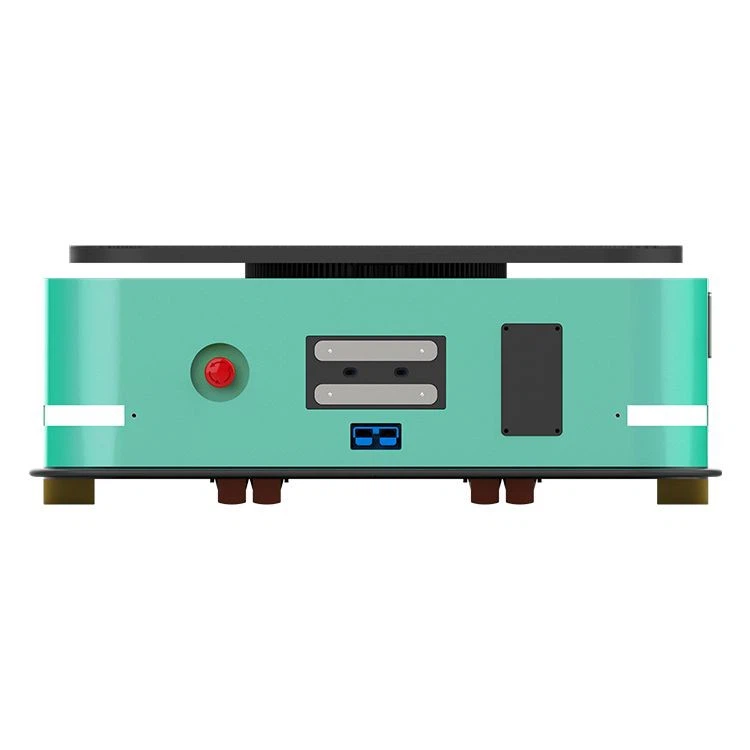
First things first, let's talk about what a Qr Scan Lifting Amr Robot is. It's a type of autonomous mobile robot (AMR) that uses QR code scanning technology to navigate around a facility. These robots are designed to lift and transport heavy loads, making them super useful in warehouses, factories, and other industrial settings.
Now, when it comes to the installation space, there are a few factors that you need to consider. The size of the robot itself is obviously a big one. Our Qr Scan Lifting Amr Robots come in different sizes and load capacities, so the space requirements will vary depending on which model you choose.
For example, our Qr Load 1500kg Lifting AMR Robot is a pretty hefty machine. It can lift up to 1500 kilograms, which is a lot of weight. Because of its size and capacity, it needs a bit more space to operate safely. You'll need to make sure that there's enough room for the robot to move around without bumping into anything.
In general, you should aim to have at least a few feet of clearance around the robot's path. This will give it enough space to maneuver and avoid obstacles. You also need to consider the height of the ceilings in your facility. Our Qr Scan Lifting Amr Robots can lift loads to different heights, so you'll need to make sure that the ceilings are high enough to accommodate the maximum lifting height of the robot.
Another important factor to consider is the layout of your facility. You need to make sure that there are clear paths for the robot to follow. This means removing any clutter or obstacles that might get in the way. You also need to make sure that there are enough charging stations for the robot. Our Qr Scan Lifting Amr Robots are battery-powered, so they need to be charged regularly.
If you have a complex facility with multiple levels or areas, you might need to install additional infrastructure to support the robot. For example, you might need to install QR codes on the floor to help the robot navigate. You might also need to install sensors or other devices to help the robot detect obstacles and avoid collisions.
Let's take a look at some specific examples of installation spaces for different types of facilities.

Warehouse
In a warehouse, you'll typically have a large open space with lots of racks and shelves. Our Qr Scan Lifting Amr Robots are perfect for this type of environment because they can easily navigate around the racks and shelves to pick up and deliver loads.
For a small to medium-sized warehouse, you'll need to make sure that there's enough space for the robot to move around between the racks. You should aim to have at least 3 to 4 feet of clearance on either side of the robot's path. You also need to make sure that there are enough charging stations located throughout the warehouse.
If you have a large warehouse with multiple levels or areas, you might need to install additional infrastructure to support the robot. For example, you might need to install elevators or conveyor belts to help the robot move between levels. You might also need to install QR codes on the floor to help the robot navigate.
Factory
In a factory, you'll typically have a more complex layout with lots of machinery and equipment. Our Qr Scan Lifting Amr Robots can still be used in this type of environment, but you'll need to be more careful about the installation space.
You'll need to make sure that there's enough space for the robot to move around between the machinery and equipment. You should aim to have at least 2 to 3 feet of clearance on either side of the robot's path. You also need to make sure that the robot doesn't interfere with the operation of the machinery and equipment.
If you have a factory with a lot of moving parts, you might need to install additional sensors or devices to help the robot detect obstacles and avoid collisions. You might also need to install QR codes on the floor to help the robot navigate.
Packing Line
In a packing line, you'll typically have a series of conveyor belts and workstations. Our Lifting AMR Robot in Pack Line is designed to work in this type of environment. It can easily move between the conveyor belts and workstations to pick up and deliver loads.
For a packing line, you'll need to make sure that there's enough space for the robot to move around between the conveyor belts and workstations. You should aim to have at least 2 to 3 feet of clearance on either side of the robot's path. You also need to make sure that the robot doesn't interfere with the operation of the conveyor belts and workstations.
If you have a high-speed packing line, you might need to install additional sensors or devices to help the robot detect obstacles and avoid collisions. You might also need to install QR codes on the floor to help the robot navigate.
Office Building
In an office building, you might use our Qr Scan Lifting Amr Robots to transport supplies or equipment between different floors or departments.
For an office building, you'll need to make sure that there's enough space for the robot to move around in the hallways and elevators. You should aim to have at least 2 to 3 feet of clearance on either side of the robot's path. You also need to make sure that the robot doesn't interfere with the movement of people in the building.
If you have a large office building with multiple floors or departments, you might need to install additional infrastructure to support the robot. For example, you might need to install elevators or escalators to help the robot move between floors. You might also need to install QR codes on the floor to help the robot navigate.
In addition to the physical installation space, you also need to consider the software and programming requirements for the robot. Our Qr Scan Lifting Amr Robots come with advanced software that allows you to program the robot's path, set up waypoints, and monitor its performance.
You'll need to make sure that you have the necessary skills and resources to program and maintain the robot. If you're not familiar with programming, you might need to hire a professional to help you with the installation and setup.
Overall, the installation space required for a Qr Scan Lifting Amr Robot depends on a variety of factors, including the size and capacity of the robot, the layout of your facility, and the type of environment in which the robot will be used. By carefully considering these factors and planning ahead, you can ensure that your Qr Scan Lifting Amr Robot is installed correctly and operates safely and efficiently.
If you're interested in learning more about our Qr Scan Lifting Amr Robots or have any questions about the installation space requirements, please don't hesitate to contact us. We'd be happy to help you find the right solution for your needs. Whether you're looking for a Slam Lifting AMR Robot or a Qr Load 1500kg Lifting AMR Robot, we have the expertise and experience to help you make the right choice.
Let's work together to optimize your operations and improve your efficiency with our state-of-the-art Qr Scan Lifting Amr Robots. Contact us today to start the conversation about your procurement needs and let's see how we can help you take your business to the next level.
References
- Industry standards for AMR installation and operation
- Manufacturer's specifications for Qr Scan Lifting Amr Robots