

What are the differences between AMR robots and AGV robots?
In the dynamic landscape of modern industrial automation, Autonomous Mobile Robots (AMRs) and Automated Guided Vehicles (AGVs) have emerged as two prominent technologies, each with its own unique features and applications. As an AMR robot supplier, I've witnessed firsthand the growing interest in these technologies and the need for a clear understanding of their differences. In this blog post, I'll delve into the key distinctions between AMR robots and AGV robots, exploring their capabilities, advantages, and use cases.
Navigation and Flexibility
One of the most significant differences between AMR robots and AGV robots lies in their navigation systems. AGVs typically rely on predefined paths, which can be marked by physical guides such as magnetic tapes, wires embedded in the floor, or optical markers. These guides provide a fixed route for the AGV to follow, ensuring precise movement and repeatability. While this method offers high accuracy and reliability, it also limits the AGV's flexibility. Any changes to the layout of the facility or the introduction of new obstacles require significant reconfiguration of the guiding infrastructure.
On the other hand, AMR robots use advanced sensors, such as LiDAR (Light Detection and Ranging), cameras, and inertial measurement units (IMUs), to create a real-time map of their environment. This allows them to navigate autonomously, avoiding obstacles and adapting to changes in the workspace without the need for predefined paths. AMRs can be easily reprogrammed to follow new routes or perform different tasks, making them highly flexible and suitable for dynamic environments. For example, in a warehouse where inventory is constantly moving and new storage areas are added, an AMR can quickly adjust its path to reach its destination.
Intelligence and Decision-Making
Another key difference between AMR robots and AGV robots is their level of intelligence and decision-making capabilities. AGVs are generally programmed to perform specific tasks in a predefined sequence. They follow a set of instructions and do not have the ability to make decisions based on real-time data or changes in the environment. For instance, if an AGV encounters an obstacle on its predefined path, it may stop and wait for human intervention to clear the way.
In contrast, AMR robots are equipped with sophisticated algorithms and artificial intelligence (AI) capabilities that enable them to make intelligent decisions on the fly. They can analyze sensor data, identify obstacles, and choose the most efficient route to their destination. AMRs can also interact with other robots and systems in the facility, coordinating their movements and tasks to optimize workflow. For example, in a manufacturing plant, AMRs can communicate with conveyor belts and other equipment to ensure seamless material flow.
Safety Features
Safety is a critical consideration in any industrial environment, and both AMR robots and AGV robots are designed with various safety features to protect workers and equipment. AGVs typically have physical barriers, such as bumpers and safety sensors, to detect collisions and stop the vehicle if an obstacle is detected. These safety features are effective in preventing accidents on the predefined paths, but they may not be sufficient in dynamic environments where unexpected obstacles can appear.
AMR robots, on the other hand, have more advanced safety features that allow them to operate safely in complex and dynamic environments. In addition to physical barriers and sensors, AMRs use real-time mapping and obstacle detection to avoid collisions. They can also adjust their speed and movement based on the presence of humans and other objects in the vicinity. For example, an AMR can slow down or stop if it detects a worker in its path, and resume its movement once the path is clear.
Cost and Implementation
The cost and implementation of AMR robots and AGV robots can vary depending on several factors, such as the size and complexity of the application, the required features and functionality, and the level of customization. Generally, AGVs are considered to be more cost-effective for simple and repetitive tasks in a fixed environment. The initial investment in AGV infrastructure, such as guiding systems and charging stations, can be relatively high, but the operating costs are typically lower due to their simplicity and reliability.
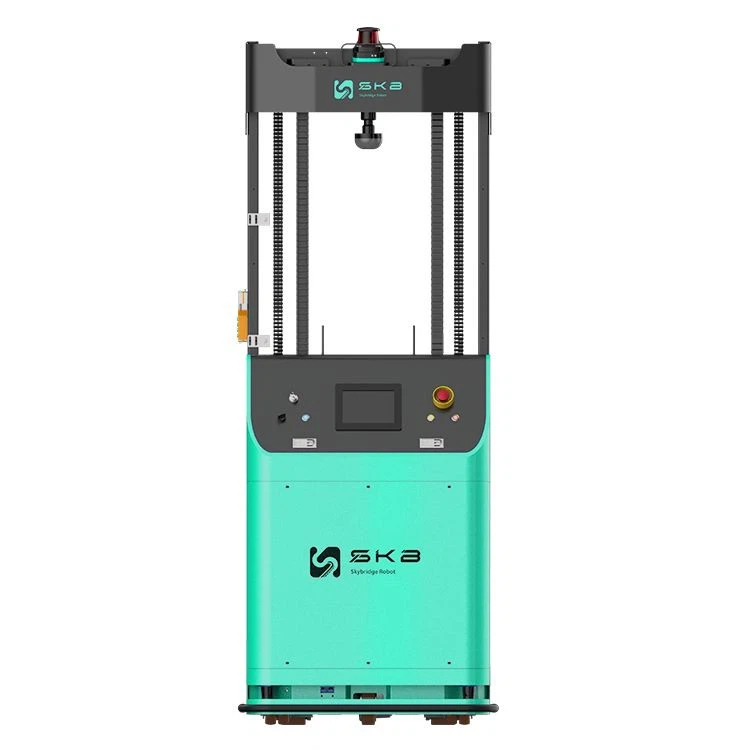

AMR robots, on the other hand, tend to have a higher upfront cost due to their advanced technology and flexibility. However, they can offer significant cost savings in the long run by reducing the need for manual labor, improving productivity, and adapting to changing business needs. The implementation of AMR robots is also generally faster and easier than AGVs, as they do not require extensive infrastructure modifications.
Use Cases
The differences between AMR robots and AGV robots make them suitable for different use cases. AGVs are commonly used in industries such as automotive, food and beverage, and logistics for tasks such as material handling, palletizing, and transportation. They are ideal for applications where the workflow is well-defined and repetitive, and where high accuracy and reliability are required.
AMR robots, on the other hand, are better suited for dynamic and complex environments, such as e-commerce warehouses, hospitals, and manufacturing plants. They can be used for a wide range of tasks, including inventory management, order fulfillment, and collaborative assembly. For example, in an e-commerce warehouse, AMRs can pick and transport items from the shelves to the packing stations, reducing the time and labor required for order processing.
Our AMR Robot Solutions
As an AMR robot supplier, we offer a range of high-quality AMR robots that are designed to meet the diverse needs of our customers. Our Qr Code 500kg Lifting AMR Robot is a versatile and powerful robot that can lift and transport heavy loads up to 500 kg. It uses QR code navigation technology to ensure precise positioning and can be easily integrated into existing warehouse management systems.
Our Pallet Truck Forklift AMR Robot is specifically designed for pallet handling tasks. It can lift and move pallets in a warehouse or distribution center, improving efficiency and reducing the risk of injuries. The robot is equipped with advanced sensors and safety features to ensure safe operation in a dynamic environment.
Our Pallet Handling Forklift AMR Robot is another innovative solution for pallet handling. It can handle pallets of different sizes and weights, and can be programmed to perform various tasks, such as stacking, unstacking, and transporting pallets. The robot is highly flexible and can be easily adapted to different warehouse layouts and workflows.
Conclusion
In conclusion, AMR robots and AGV robots are two distinct technologies with their own advantages and disadvantages. AGVs are well-suited for simple and repetitive tasks in a fixed environment, while AMRs offer greater flexibility, intelligence, and safety in dynamic and complex environments. As an AMR robot supplier, we are committed to providing our customers with the best-in-class AMR solutions that can help them improve productivity, reduce costs, and enhance safety in their operations.
If you're interested in learning more about our AMR robots or discussing your specific requirements, please feel free to contact us. We'd be happy to help you find the right solution for your business.
References
- "Autonomous Mobile Robots (AMRs) vs. Automated Guided Vehicles (AGVs): What's the Difference?" by Logistics Management
- "AMR vs. AGV: Understanding the Differences and Choosing the Right Solution" by Robotics Business Review
- "The Future of Warehouse Automation: AMRs vs. AGVs" by Supply Chain Dive