

How to operate a forklift AGV correctly?
Hey there! As a supplier of Handling Forklift AGVs, I've seen firsthand how these nifty machines can revolutionize warehouse operations. But like any piece of equipment, they need to be operated correctly to ensure safety and efficiency. So, let's dive into how to operate a forklift AGV correctly.
Pre - operation Checks
Before you even think about starting up a forklift AGV, you've got to do a thorough pre - operation check. It's like checking your car before a long drive. First off, visually inspect the AGV. Look for any signs of damage, like dents, scratches, or loose parts. Check the forks for any cracks or bends. You don't want a fork to break while you're trying to lift a heavy load!
Next, examine the battery. Make sure it's fully charged. A low - battery AGV is going to give you headaches, as it might stop in the middle of a task. Also, check the battery connections to ensure they're secure. Loose connections can lead to power issues and might even cause the AGV to malfunction.
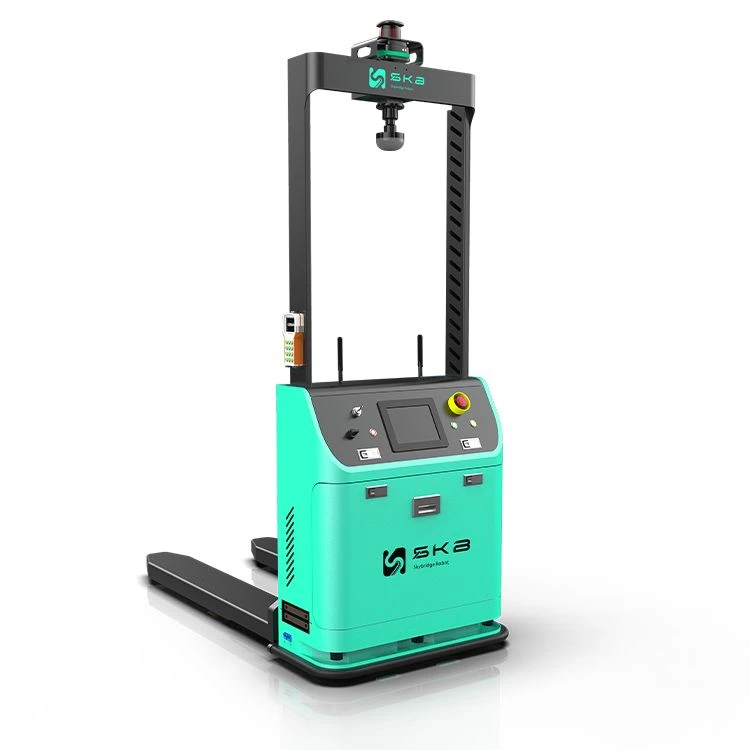
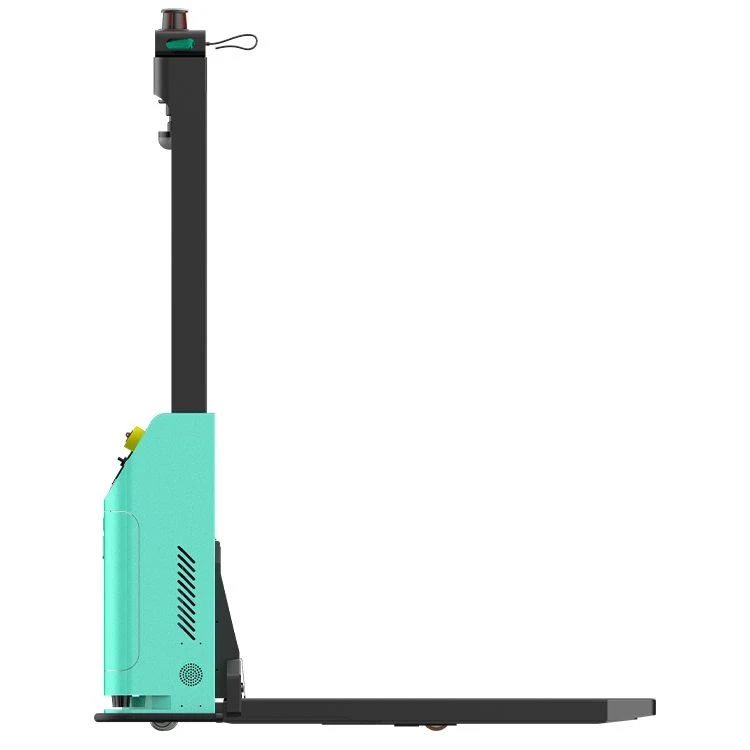
Don't forget about the sensors. Forklift AGVs rely heavily on sensors to navigate and avoid obstacles. Clean the sensors to make sure they're free of dirt, dust, and debris. A dirty sensor might not detect an obstacle properly, which could lead to collisions.
Understanding the Control System
Forklift AGVs come with different control systems, and it's crucial to understand how yours works. Most AGVs can be controlled through a central control system, which could be a computer program or a mobile app. Familiarize yourself with the interface. Know how to start, stop, and pause the AGV.
There are usually different operating modes. For example, there might be an automatic mode where the AGV follows a pre - programmed path, and a manual mode where you can control it directly. In the automatic mode, you need to set up the routes correctly. You can use the software to define the starting point, the destination, and any waypoints in between.
If you're using the manual mode, learn how to use the controls for steering, lifting, and lowering the forks. It's not too different from operating a traditional forklift, but there are some nuances. For instance, the response time of the controls might be a bit different due to the automation.
Loading and Unloading
When it comes to loading and unloading with a forklift AGV, there are some key steps to follow. First, make sure the load is stable and balanced. An unbalanced load can cause the AGV to tip over, which is extremely dangerous. Center the load on the forks as much as possible.
When approaching the load, do it slowly and carefully. The AGV should align itself with the load properly. In some cases, the AGV might have a self - aligning feature, but it's still a good idea to double - check. Once the AGV is in position, use the controls to lift the load. Lift it slowly to avoid any sudden movements that could cause the load to shift.
When unloading, lower the load gently onto the destination surface. Make sure the surface is stable and can support the weight of the load. After unloading, retract the forks slowly and move the AGV away from the area.
Navigation and Route Planning
Forklift AGVs are designed to navigate through warehouses and other industrial environments. However, proper route planning is essential. First, you need to map out the layout of your facility. This includes identifying areas where the AGV can move freely, as well as any restricted areas.
When creating routes, consider factors like traffic flow. You don't want multiple AGVs trying to use the same narrow aisle at the same time. Try to create separate lanes for different AGVs if possible. Also, take into account any obstacles that might be in the way, such as storage racks or other equipment.
For more complex operations, you might want to use a traffic management system. This system can help coordinate the movement of multiple AGVs, ensuring that they don't collide with each other. It can also optimize the routes based on real - time data, such as the location of other AGVs and the availability of loads.
Safety Precautions
Safety should always be your top priority when operating a forklift AGV. First, make sure all operators are properly trained. They should understand how to operate the AGV safely and what to do in case of an emergency.
Install safety devices on the AGV, such as emergency stop buttons. These buttons should be easily accessible in case something goes wrong. Also, use warning lights and alarms to alert other workers in the area when the AGV is approaching.
Keep the work area clean and organized. Remove any clutter that could obstruct the AGV's path. And make sure there are clear signs indicating where the AGV is allowed to operate.
Maintenance and Troubleshooting
Regular maintenance is key to keeping your forklift AGV in good working condition. Follow the manufacturer's recommended maintenance schedule. This might include tasks like lubricating moving parts, checking the brakes, and replacing worn - out components.
If you encounter any problems with the AGV, don't panic. First, refer to the user manual. It usually has a troubleshooting section that can help you identify and fix common issues. If the problem persists, contact the manufacturer or a professional technician.
Different Types of Forklift AGVs
There are several types of forklift AGVs available in the market. For example, the Automated Guided Forklift AGV is a popular choice. It can operate autonomously, following pre - programmed routes to move loads around the warehouse. This type of AGV is great for large - scale operations where efficiency is crucial.
The Auto Forklift AGV is another option. It offers a high level of automation, which can reduce the need for manual labor. These AGVs are often used in industries where repetitive tasks are common.
The Laser Guided Forklift AGV uses laser technology to navigate. It can be very accurate and is suitable for environments where precise positioning is required.
Conclusion
Operating a forklift AGV correctly is a combination of pre - operation checks, understanding the control system, proper loading and unloading, smart navigation and route planning, safety precautions, and regular maintenance. By following these steps, you can ensure that your forklift AGV operates safely and efficiently, saving you time and money in the long run.
If you're interested in purchasing a Handling Forklift AGV for your business, I'd love to have a chat with you. We can discuss your specific needs and find the perfect AGV solution for you. Feel free to reach out and start the conversation.
References
- Manufacturer's user manuals for forklift AGVs
- Industry standards and guidelines for AGV operation
- Articles on warehouse automation and AGV technology