

What is the reliability of a roller AGV?
Reliability is a crucial factor in the world of automated guided vehicles (AGVs), especially when it comes to roller AGVs. As a supplier of roller AGVs, I understand the significance of reliability in ensuring seamless operations and maximizing productivity for our clients. In this blog post, I will delve into what the reliability of a roller AGV entails, exploring its various components, factors affecting it, and how we, as a supplier, ensure the highest levels of reliability in our products.
Understanding Roller AGVs
Before we discuss reliability, let's briefly understand what roller AGVs are. Roller AGVs are a type of automated guided vehicle equipped with rollers. These rollers can be used to transport goods in a variety of industries, such as manufacturing, warehousing, and logistics. There are different types of roller AGVs, including Roller Docking AGV, Roller Conveyor AGV, and Powered Roller AGV. Each type is designed to meet specific application requirements, but they all share the common goal of providing efficient and automated material handling solutions.
Components Contributing to Reliability
The reliability of a roller AGV is determined by several key components. These components work together to ensure that the AGV can perform its tasks accurately and consistently over an extended period.
1. Navigation System
The navigation system is the brain of the roller AGV. It allows the AGV to move around the facility autonomously, following predefined paths or adapting to dynamic environments. A reliable navigation system is essential for preventing collisions, ensuring accurate positioning, and optimizing the AGV's route. Technologies such as laser navigation, vision-based navigation, and inertial navigation are commonly used in roller AGVs. These technologies provide high levels of accuracy and reliability, even in complex and changing environments.
2. Roller Mechanism
The roller mechanism is the heart of the roller AGV. It is responsible for loading, transporting, and unloading goods. A reliable roller mechanism should be able to handle different types of loads, including heavy and irregularly shaped items, without jamming or malfunctioning. The quality of the rollers, their bearings, and the drive system all contribute to the reliability of the roller mechanism. Additionally, proper maintenance and lubrication of the rollers are essential to ensure their long-term performance.
3. Control System
The control system manages the operation of the roller AGV, including its speed, acceleration, and deceleration. It also coordinates the interaction between the navigation system, the roller mechanism, and other components. A reliable control system should be able to handle various operating conditions, such as sudden stops and starts, and adjust the AGV's behavior accordingly. It should also be able to communicate effectively with other systems in the facility, such as warehouse management systems (WMS) and production control systems.
4. Power System
The power system provides the energy needed to operate the roller AGV. A reliable power system should be able to supply sufficient power for the AGV's various functions, including movement, roller operation, and navigation. It should also have a long battery life to minimize downtime for recharging. Lithium-ion batteries are commonly used in modern roller AGVs due to their high energy density, long cycle life, and fast charging capabilities.
Factors Affecting Reliability
Several factors can affect the reliability of a roller AGV. Understanding these factors is crucial for suppliers and users to take appropriate measures to ensure the long-term performance of the AGV.
1. Environmental Conditions
The operating environment can have a significant impact on the reliability of a roller AGV. Factors such as temperature, humidity, dust, and vibration can affect the performance of the AGV's components. For example, high temperatures can cause the battery to overheat and reduce its lifespan, while dust can accumulate on the rollers and cause them to jam. Therefore, it is important to design the roller AGV to withstand the specific environmental conditions of its intended application.
2. Load Characteristics
The type and weight of the loads carried by the roller AGV can also affect its reliability. Heavy loads can put more stress on the roller mechanism and the power system, increasing the risk of wear and tear. Irregularly shaped loads may require special handling techniques, which can also impact the AGV's performance. It is important to select a roller AGV that is capable of handling the specific load characteristics of the application.
3. Maintenance and Service
Regular maintenance and service are essential for ensuring the reliability of a roller AGV. This includes tasks such as cleaning, lubrication, inspection, and replacement of worn parts. A lack of proper maintenance can lead to premature failure of the AGV's components, resulting in downtime and increased costs. As a supplier, we provide comprehensive maintenance and service plans to our clients to ensure the long-term reliability of our roller AGVs.
4. Software and Firmware Updates
Software and firmware play a crucial role in the operation of a roller AGV. Regular updates are necessary to improve the AGV's performance, add new features, and address security vulnerabilities. However, improper installation or compatibility issues with the updates can also cause problems. Therefore, it is important to work with a supplier who provides reliable software and firmware updates and offers technical support to ensure a smooth transition.
Ensuring Reliability as a Supplier
As a roller AGV supplier, we take several measures to ensure the reliability of our products.
1. Quality Design and Manufacturing
We use high-quality materials and components in the design and manufacturing of our roller AGVs. Our engineers follow strict design standards and quality control procedures to ensure that each AGV meets or exceeds industry requirements. We also conduct extensive testing on our AGVs before they are shipped to our clients to ensure their reliability and performance.

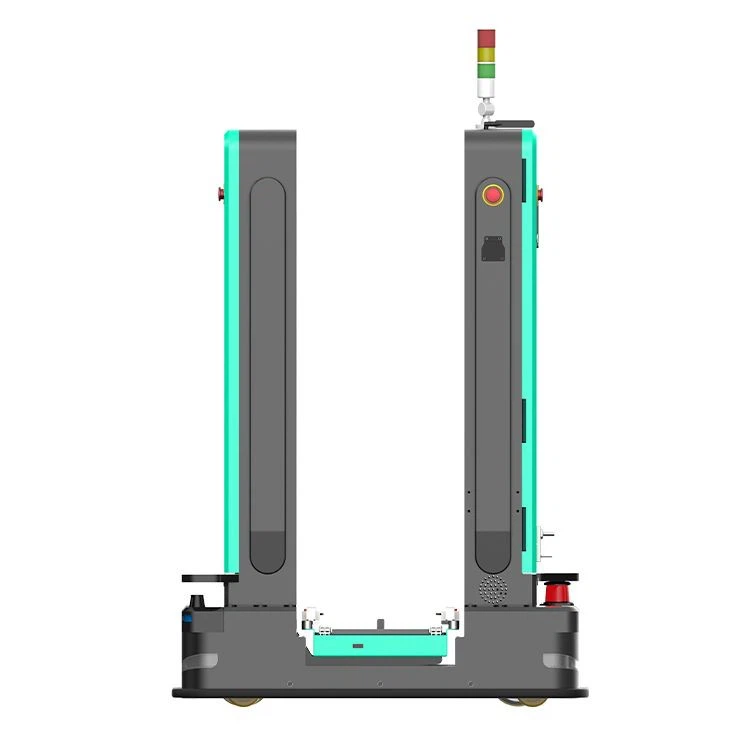
2. Customization and Application Engineering
We understand that each client has unique requirements. Therefore, we offer customized solutions to meet their specific needs. Our application engineering team works closely with our clients to understand their processes and recommend the most suitable roller AGV configuration. This ensures that the AGV is optimized for the application, improving its reliability and efficiency.
3. Training and Support
We provide comprehensive training to our clients on the operation, maintenance, and troubleshooting of our roller AGVs. Our training programs are designed to ensure that our clients' staff can operate the AGVs safely and effectively. We also offer 24/7 technical support to our clients to address any issues that may arise during the operation of the AGVs.
4. Continuous Improvement
We are committed to continuous improvement in our products and services. We collect feedback from our clients and use it to identify areas for improvement. We also invest in research and development to stay at the forefront of AGV technology and introduce new features and solutions that enhance the reliability and performance of our roller AGVs.
Conclusion
The reliability of a roller AGV is essential for ensuring efficient and seamless material handling operations. It is determined by several key components, including the navigation system, roller mechanism, control system, and power system. Factors such as environmental conditions, load characteristics, maintenance, and software updates can also affect the reliability of the AGV. As a supplier, we take several measures to ensure the reliability of our roller AGVs, including quality design and manufacturing, customization, training and support, and continuous improvement.
If you are considering investing in a roller AGV for your business, we encourage you to contact us to discuss your requirements. Our team of experts will be happy to provide you with more information about our products and services and help you find the most suitable solution for your needs.
References
- Industry reports on automated guided vehicles
- Technical manuals and specifications of roller AGV components
- Case studies of successful roller AGV implementations