

What is the maximum number of stops a Stacking Forklift AGV can make in a single run?
Hey there! As a supplier of Stacking Forklift AGVs, I often get asked about the maximum number of stops a Stacking Forklift AGV can make in a single run. It's a pretty common question, and it's not as straightforward as you might think. In this blog post, I'll break down the factors that influence the number of stops and give you a better idea of what to expect.
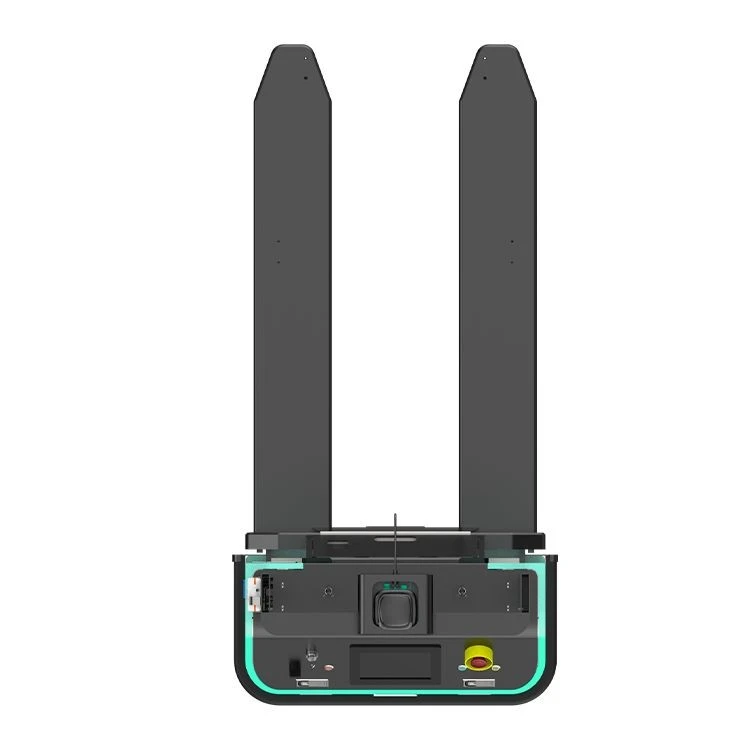
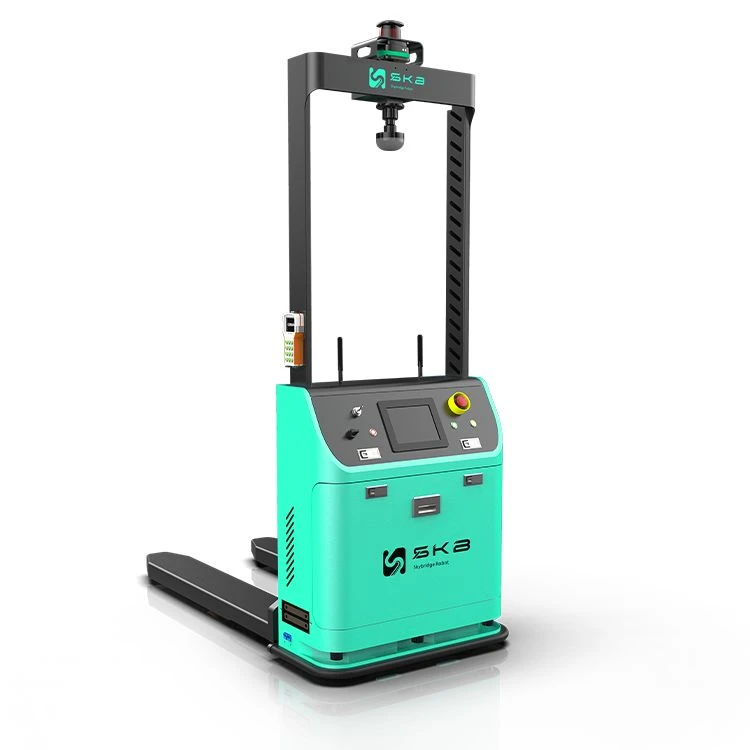
First off, let's talk about what a Stacking Forklift AGV is. For those who aren't familiar, an AGV stands for Automated Guided Vehicle. These are self - driving vehicles that can move materials around a warehouse or industrial facility without the need for a human operator. A Stacking Forklift AGV is a specific type of AGV designed to lift and stack pallets or other heavy items. You can learn more about different types of forklift AGVs here: Auto Forklift AGV, Forklift AGV for Pallets, and Automated Guided Forklift AGV.
Now, back to the main question. The maximum number of stops a Stacking Forklift AGV can make in a single run depends on several key factors.
Battery Life
One of the most important factors is the battery life of the AGV. Just like your smartphone, the AGV needs to have enough power to complete its tasks. If the AGV has to make too many stops, it will consume more energy, and there's a risk that the battery will run out before the end of the run. Most modern Stacking Forklift AGVs are equipped with high - capacity batteries, but the number of stops they can handle will still be limited. For example, if an AGV has a battery that can last for about 8 hours of continuous operation, and each stop takes a few minutes to complete (including lifting, moving, and depositing the load), the number of stops will be restricted by the available battery power.
Load Capacity
The load capacity of the AGV also plays a big role. If the AGV is carrying a heavy load, it will require more energy to move and stop. This means that with a full load, the AGV may not be able to make as many stops as it could when it's carrying a lighter load. For instance, if an AGV has a maximum load capacity of 2 tons, and it's fully loaded, it will need more power to accelerate, decelerate, and lift the load at each stop. As a result, the number of stops it can make in a single run will be reduced.
Route Complexity
The complexity of the route the AGV has to follow is another crucial factor. If the route is simple, with few turns and obstacles, the AGV can move more efficiently and make more stops. However, if the route is full of sharp turns, narrow aisles, or other challenges, the AGV will need to slow down and be more cautious at each stop. This can significantly reduce the number of stops it can make in a single run. For example, in a large warehouse with a maze - like layout, the AGV may have to navigate through tight spaces and around other equipment, which will take more time and energy at each stop.
Software and Control System
The software and control system of the AGV are also important. A well - designed system can optimize the route and the number of stops. It can calculate the most efficient way to make the stops, taking into account factors like battery life, load capacity, and route complexity. Some advanced AGV systems can even adjust the number of stops in real - time based on the current status of the AGV and the environment. For example, if the battery is running low, the system can reduce the number of stops or find a way to recharge the battery along the route.
Safety Considerations
Safety is always a top priority when it comes to AGVs. The AGV needs to stop safely at each location, which means it has to have enough time to decelerate and ensure that there are no obstacles in the way. This also affects the number of stops it can make in a single run. If the AGV has to make a lot of stops in a short period of time, it may not be able to maintain the necessary safety standards. For example, if there are other vehicles or workers in the area, the AGV may have to wait for them to clear the way before it can make a stop.
So, what's the actual maximum number of stops? Well, it's hard to give a specific number because it varies so much depending on the factors I mentioned above. In a simple warehouse with a relatively short route, a Stacking Forklift AGV might be able to make 10 - 15 stops in a single run. However, in a more complex environment with a long and challenging route, the number of stops could be as low as 3 - 5.
It's also important to note that these numbers are just estimates. The best way to determine the maximum number of stops for your specific application is to conduct a detailed analysis of your warehouse layout, load requirements, and other factors. Our team of experts can help you with this analysis and recommend the best Stacking Forklift AGV for your needs.
If you're interested in purchasing a Stacking Forklift AGV, or if you have more questions about the number of stops or any other aspect of our products, don't hesitate to get in touch. We're here to help you find the right solution for your business. Whether you're looking to improve efficiency, reduce labor costs, or enhance safety in your warehouse, our Stacking Forklift AGVs can make a big difference.
References
- Industry reports on AGV technology and performance
- Internal research and testing data from our company on Stacking Forklift AGV operations