

What are the key components of a Roller Conveyor AGV?
In the dynamic landscape of modern logistics and manufacturing, the integration of Automated Guided Vehicles (AGVs) has revolutionized material handling operations. Among the various types of AGVs, the Roller Conveyor AGV stands out as a versatile and efficient solution for transporting goods within warehouses, distribution centers, and production facilities. As a leading Roller Conveyor AGV supplier, I am excited to delve into the key components that make these AGVs a game-changer in the industry.
The Foundation: Chassis and Frame
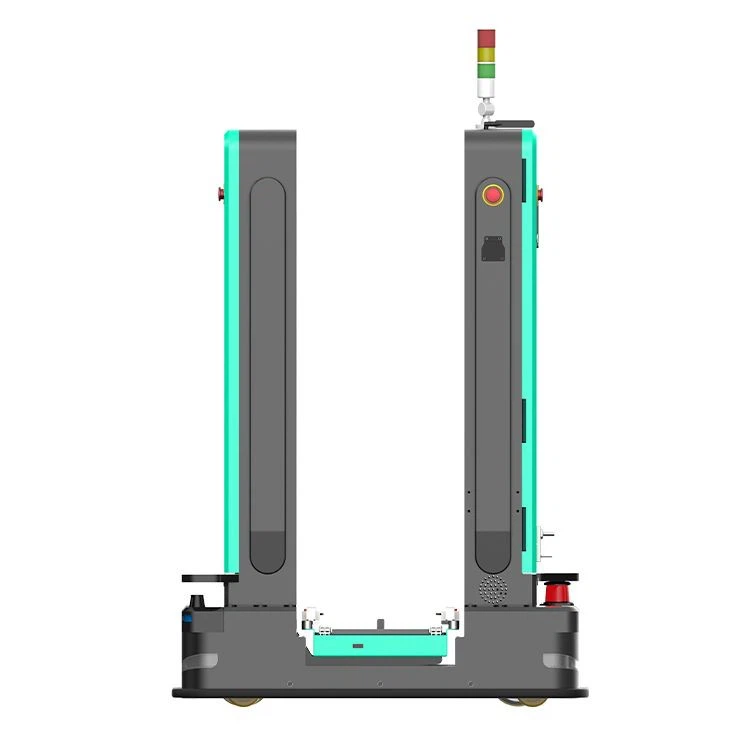
The chassis and frame form the structural backbone of a Roller Conveyor AGV. They provide the necessary support and stability for all other components. Typically made of high-strength steel or aluminum, the chassis is designed to withstand the rigors of daily operation, including heavy loads and continuous movement. The frame is engineered to optimize weight distribution, ensuring smooth and stable navigation.
The Power Source: Batteries and Chargers
Power is the lifeblood of any AGV, and Roller Conveyor AGVs are no exception. These vehicles are typically powered by rechargeable batteries, such as lithium-ion or lead-acid batteries. The choice of battery depends on factors such as the AGV's application, operating time, and charging requirements. To ensure continuous operation, AGVs are equipped with chargers that can be either onboard or offboard. Onboard chargers allow the AGV to charge while parked, while offboard chargers require the AGV to be connected to an external charging station.
The Navigation System: Sensors and Software
Navigation is a critical aspect of AGV operation, and Roller Conveyor AGVs are equipped with advanced sensors and software to ensure accurate and efficient movement. These sensors include laser scanners, cameras, and proximity sensors, which provide real-time information about the AGV's surroundings. The software uses this information to plan the AGV's path, avoid obstacles, and interact with other equipment in the facility.
The Conveyor System: Rollers and Drives
The conveyor system is the heart of a Roller Conveyor AGV, responsible for transporting goods from one location to another. The conveyor consists of a series of rollers that are powered by electric motors or belts. The rollers are designed to provide a smooth and efficient transfer of goods, ensuring that they are transported safely and securely. The conveyor system can be customized to meet the specific needs of the application, including the type of goods being transported, the speed of the conveyor, and the length of the conveyor.
The Control System: PLCs and HMIs
The control system is responsible for managing the operation of the Roller Conveyor AGV. It consists of a Programmable Logic Controller (PLC) and a Human-Machine Interface (HMI). The PLC is the brain of the AGV, responsible for controlling the movement of the vehicle, the operation of the conveyor system, and the interaction with other equipment in the facility. The HMI provides a user-friendly interface for operators to monitor and control the AGV's operation.
The Safety System: Sensors and Bumpers
Safety is a top priority in any material handling operation, and Roller Conveyor AGVs are equipped with a comprehensive safety system to protect operators, equipment, and goods. The safety system includes sensors and bumpers that detect obstacles and prevent collisions. The sensors can detect objects in the AGV's path, while the bumpers provide a physical barrier to prevent damage in the event of a collision.
The Communication System: Wireless and Wired
Communication is essential for the efficient operation of Roller Conveyor AGVs. These vehicles are equipped with a communication system that allows them to interact with other equipment in the facility, such as conveyor systems, robots, and warehouse management systems. The communication system can be either wireless or wired, depending on the specific requirements of the application.

The Maintenance and Support: Service and Training
As a Roller Conveyor AGV supplier, we understand the importance of providing comprehensive maintenance and support services to our customers. We offer a range of services, including installation, commissioning, maintenance, and repair. Our team of experienced technicians is available 24/7 to provide support and assistance to our customers. We also offer training programs to ensure that our customers' operators are trained to operate and maintain the AGVs safely and efficiently.
Conclusion
In conclusion, the key components of a Roller Conveyor AGV include the chassis and frame, the power source, the navigation system, the conveyor system, the control system, the safety system, the communication system, and the maintenance and support services. These components work together to provide a reliable, efficient, and safe solution for material handling operations. As a leading Roller Conveyor AGV supplier, we are committed to providing our customers with the highest quality products and services. If you are interested in learning more about our Roller Conveyor AGVs or would like to discuss your specific requirements, please contact us to schedule a consultation.
References
- Industry standard guidelines for AGV design and operation
- Technical specifications of Roller Conveyor AGV components
- Case studies of successful Roller Conveyor AGV implementations